

Commercial Asphalt Sealcoating & Protection
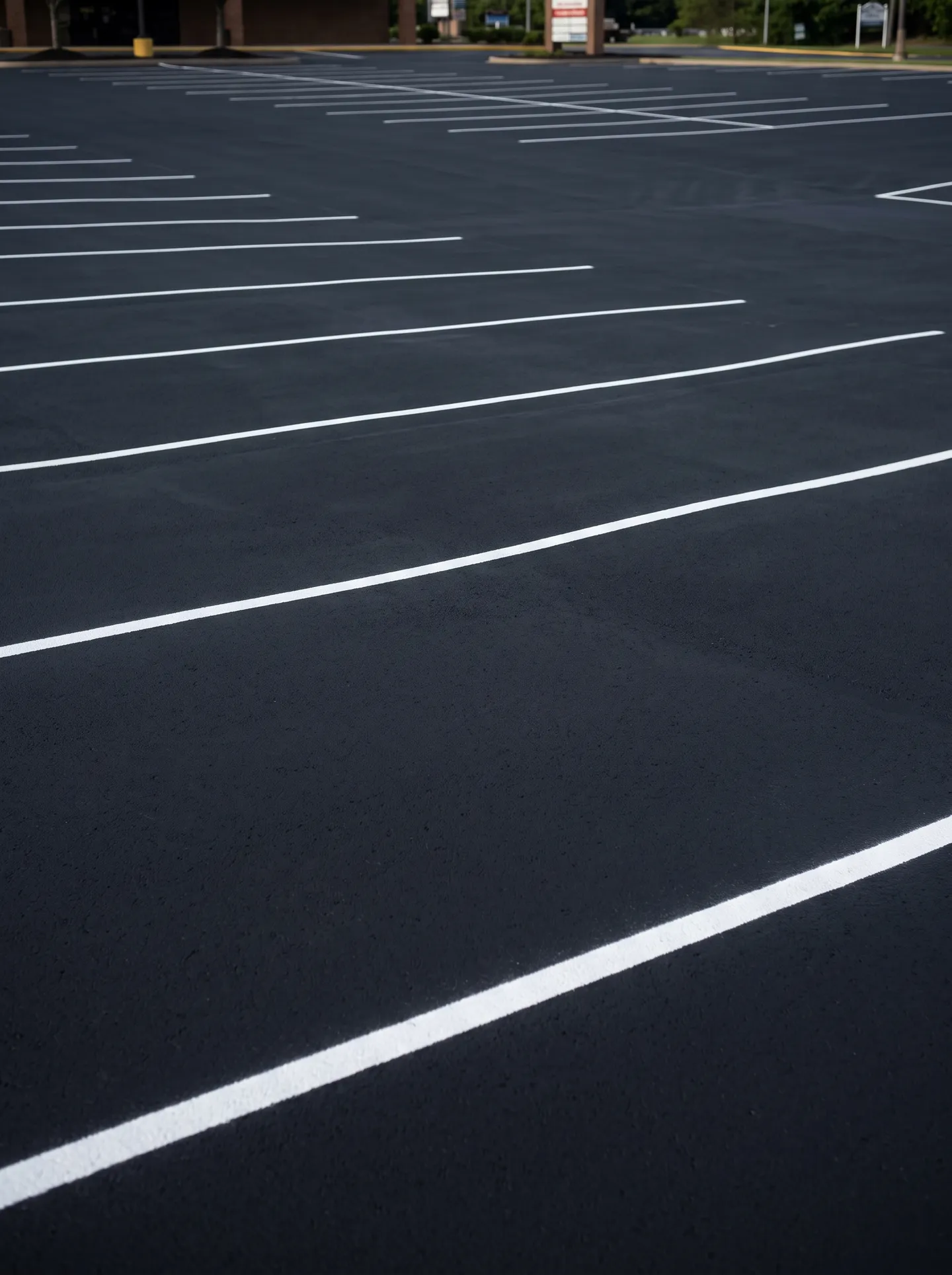
Sealcoating is the cheapest thing you can do to make a parking lot last. A thin coat does real protective work: it seals the asphalt binder against the water, oil, fuel and UV that age it, and restores the deep-black, slip-resistant finish that reads as maintained. Done on schedule, it can more than double the life of your pavement for a fraction of what repaving costs. We sealcoat commercial lots across Kissimmee and Central Florida.
How We Sealcoat
- Sweep and clean the surface fully, and fill cracks and repair distress before sealing.
- Mix the sealer with continuous agitation and apply at least two thin coats by spray, squeegee or brush, the second crossing the first for full coverage.
- Apply only when air and pavement temperatures are 50 to 55°F and rising, with no rain within 24 hours.
- Allow about 24 hours of cure before returning traffic, then re-stripe.
What Sealcoating Protects Against
- Oxidation and UV: Central Florida sun turns asphalt gray and brittle and starts it raveling, the slow loss of aggregate from the surface. Sealer slows that oxidation and brings the deep-black finish back.
- Water: sealer keeps rain from working through the surface to the base, where standing moisture does the real structural damage.
- Oil, fuel and chemicals: dripped oil, fuel and de-icing chemicals soften the asphalt binder from the top down. Sealer resists them, and the silica sand blended into it keeps the finish skid-resistant.
What Goes Into a Commercial Sealer
- An emulsion base: a bituminous asphalt-emulsion or acrylic sealer blended with water, silica sand, polymer additives and fillers. The sand adds grip, the polymers add durability.
- The environmentally preferred choice: we reach for asphalt-emulsion and acrylic sealers rather than coal-tar, which runs high in polycyclic aromatic hydrocarbons and washes into waterways as it wears. More than 100 U.S. jurisdictions now restrict coal-tar, and emulsion is the cleaner choice for a commercial lot.
- Two measured coats: we lay the sealer at roughly 0.15 to 0.20 gallons per square yard per coat, kept under continuous agitation so the sand stays suspended and every pass goes down even.
The Florida Weather Window
Sealcoat lives or dies on timing, and Central Florida narrows the window. The sun that ages your asphalt fastest is the same sun that helps a fresh coat cure, so we want warm, dry pavement inside the temperature window and a clear sky behind it. High summer humidity slows the cure, and an afternoon storm can wash an uncured coat off a lot hours after it went down, so we read the forecast against the lot rather than the calendar. A coat laid before a downpour is a coat you pay for twice. Once it cures, we re-stripe onto the clean black surface.
How Often, and What It Costs to Skip It
Plan on a fresh seal every two to three years, and seal cracks as they open so water never reaches the base. New pavement is the exception: it needs to cure at least 30 days before its first seal, and longer is better, so its surface oils escape and the coat can bond. Sealcoating is the lowest-cost preventive treatment there is, and it pays back most as part of a pavement management program alongside crack sealing and repair. Request a sealcoating quote and we will set a schedule for your lot.
Sealcoating Guides
- Coal-Tar vs. Asphalt-Emulsion Sealcoat
- How Many Coats of Sealcoat Does a Lot Need?
- The Best Time of Year to Sealcoat
- Commercial Sealcoating Cost Factors
- When Can You Drive on Freshly Sealed Asphalt?
Sealcoating FAQs
Every two to three years for most commercial lots. The tells that yours is due show up before the calendar does: the surface fades from black toward gray, rain stops beading and soaks in instead, and fine cracks begin to open.
Two thin coats, the commercial standard. One heavy coat looks the same on day one but cures unevenly and cracks; two thin passes, the second laid across the first, cover the pinholes and wear far longer. See how many coats a lot needs.
No, we seal with asphalt-emulsion and acrylic products. They protect a parking lot the way coal-tar does without carrying its polycyclic aromatic hydrocarbons, so you get the performance and a cleaner environmental profile. Here is why it matters.
Allow about 24 to 48 hours before vehicle traffic, longer on humid days. Foot traffic can usually return sooner, but a full cure is what lets the coat take tire scrubbing without marking. See when you can drive on sealed asphalt.
Air and pavement at 50 to 55°F and rising. Below that the emulsion cannot coalesce into a continuous film, and rain within the first 24 hours washes an uncured coat off, so the window matters as much as the mix. See the best time of year to seal.
Yes. We clean the surface and seal cracks and repair distress first, because sealcoat is a thin protective film that coats the surface without filling a crack. That is crack sealing and repair.
No. Sealcoat is a protective film that shields the surface. It adds no load-bearing strength, so a cracked or failing base needs repair and patching first, and the seal then protects the sound surface around it.
No, and sealing too soon does harm. Fresh asphalt needs to cure at least 30 days, longer in the cooler months, so its surface oils can escape. Seal before that and you trap them, leaving a soft coat that tracks and peels.
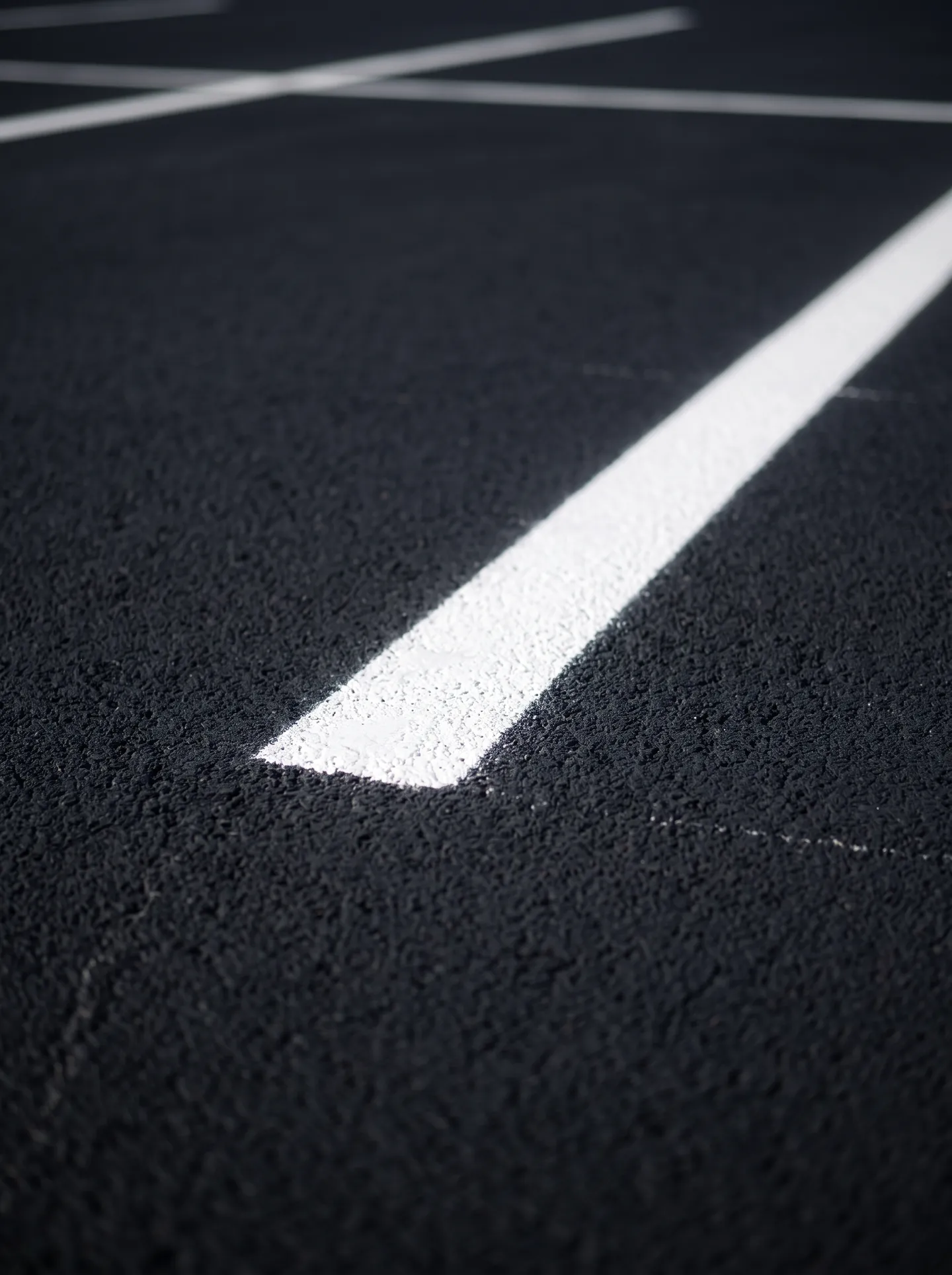
Beyond protection, it resets how the lot looks and grips. The silica sand in the mix restores skid resistance underfoot, and the fresh deep-black surface brightens the lot under security lighting and makes new stripes stand out.